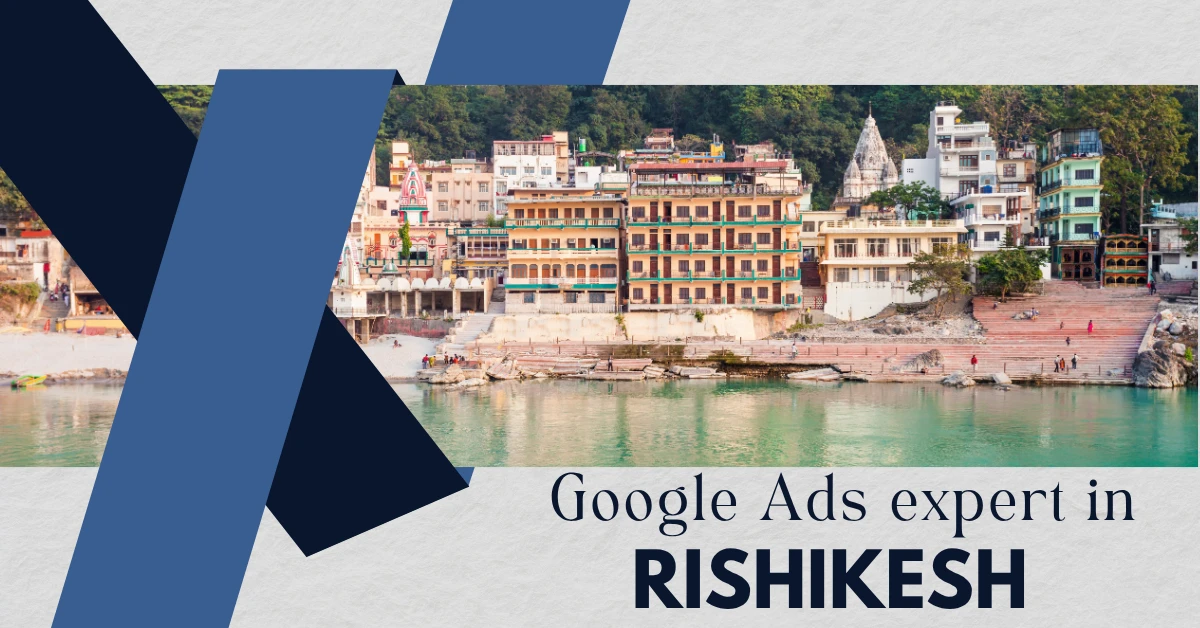
- Why Your Business Needs Google Ads in Rishikesh?
- How a Google Ads Expert in Rishikesh Helps You Succeed?
- 1. Finding the Right Keywords
- 2. Creating Eye-Catching Ads
- 3. Setting the Perfect Bidding Strategy
- 4. Continuous Tracking and Optimization
- Benefits of Hiring a Google Ads Specialist in Rishikesh
- 1. Better Ad Targeting for Local Customers
- 2. Higher Click-Through Rates (CTR)
- 3. Lower Cost per Click (CPC)
- 4. Regular Campaign Updates and Reports
- 5. Saves You Time and Effort
- Why Google Ads Are Important for Rishikesh Businesses?
- 1. Instant Visibility on Google
- 2. More Calls and Messages from Local Customers
- 3. Attract Tourists and Visitors
- 4. Compete with Bigger Brands
- How to Choose the Right Google Ads Expert in Rishikesh?
- 1. Check Their Experience
- 2. Look for Certifications
- 3. Ask About Transparency
- 4. Communication is Key
- Why Choose WebAdis as Your Google Ads Specialist in Rishikesh?
- 1. Certified Google Ads Professionals
- 2. Transparent Pricing Starting at $150/month
- 3. Detailed Performance Reports
- 4. Constant Ad Optimization
- 5. Friendly Support and Quick Responses
- Common Mistakes Business Owners Make in Google Ads
- 1. Targeting Too Wide an Audience
- 2. Using the Wrong Keywords
- 3. Not Using Ad Extensions
- 4. Forgetting to Track Conversions
- FAQs About Google Ads in Rishikesh
- How to Get Started with WebAdis?
- 1. Visit WebAdis.com
- 2. Contact Us for a Free Consultation
- 3. Let Our Experts Create Your First Campaign
- 4. Start Getting Leads and Customers from Google
- Final Thoughts
Are you searching for a Google Ads Expert in Rishikesh who can help your business get more leads, calls, and customers online? You’ve come to the right place! At WebAdis, we create smart and effective ad campaigns that help your business reach the right people at the right time.
Recognised, Certified & Trusted
Whether you run a yoga center, hotel, travel agency, or any other local business, our Google Ads Specialist in Rishikesh can help you show your ads to people searching for your services on Google.
Why Your Business Needs Google Ads in Rishikesh?
Rishikesh is not just a holy city — it’s also a busy travel and business hub. Every single day, people search online for yoga centers, hotels, cafes, travel guides, and many other services. If your business is not visible on Google when they search, you might be missing out on hundreds of potential customers.
That’s where Google Ads becomes your best friend. It helps your business appear right at the top of Google when someone searches for the services you offer. For example, if someone types “best yoga retreat in Rishikesh” or “budget hotel near Laxman Jhula”, your ad can show up immediately — making it easy for them to contact you.
Here’s how Google Ads helps your business grow:
- Appear at the Top: Your business shows up above your competitors, catching customer attention first.
- Get More Website Visitors & Calls: People can visit your website or directly call you from the ad.
- Target the Right Audience: You can show ads only to people who live in Rishikesh or are searching for Rishikesh-based services.
- Control Your Spending: You decide how much to spend daily — no hidden costs or surprises.
With the support of a Google Adwords Expert in Rishikesh, you can make your ads work smarter. An expert knows how to choose the right keywords, write attractive ad text, and manage your budget so that you get the maximum return on your investment.
How a Google Ads Expert in Rishikesh Helps You Succeed?
Running Google Ads might look easy, but getting real results takes skill, experience, and smart planning. That’s where a Google Ads Expert in Rishikesh like WebAdis comes in to help. We understand what local customers search for and create ad campaigns that bring more leads and calls to your business.
Here’s how we help your business grow step by step:
1. Finding the Right Keywords
The first and most important step is keyword research. We look for the exact words and phrases that people in Rishikesh type on Google when searching for your services. For example, if you run a hotel, we’ll target searches like “best hotel in Rishikesh near Ganga” or “affordable stay in Rishikesh.”
Choosing the right keywords helps your ads reach the right audience — saving you money and increasing results.
2. Creating Eye-Catching Ads
Once the keywords are ready, our team writes catchy ad headlines and descriptions that make people click. We focus on making your ad stand out from others. A great ad copy builds curiosity and trust — and that means more calls and website visits for you.
3. Setting the Perfect Bidding Strategy
Many businesses waste money by using the wrong bidding method. Our Google Ads Specialist in Rishikesh knows how to set smart bidding strategies that balance cost and performance. We make sure you get maximum clicks and leads without overspending.
4. Continuous Tracking and Optimization
After launching your ads, we don’t stop there. We keep an eye on your campaign’s performance — which ads are working best, which keywords bring the most clicks, and where improvements are needed. We keep testing and optimizing until your ad performance keeps getting better week after week.
If you’d like to understand more about Google’s advertising tools, visit the Google Ads Learning Center to learn directly from Google experts.
With an experienced Google Adwords Expert in Rishikesh by your side, you don’t have to guess or waste money trying different ad settings. At WebAdis, we do all the hard work — from setup to daily tracking — so you can focus on serving your customers while we bring them to your doorstep.
Benefits of Hiring a Google Ads Specialist in Rishikesh
Running Google Ads might sound simple — but in reality, it takes time, skill, and experience to get real results. That’s why hiring a Google Ads Specialist in Rishikesh can make a big difference for your business. When you work with professionals like WebAdis, you get smart campaign planning, better ad performance, and more leads without wasting money.
Let’s look at some of the biggest benefits:
1. Better Ad Targeting for Local Customers
A local Google Ads Specialist understands what people in Rishikesh are searching for. Whether it’s “best yoga center near Tapovan” or “budget hotel near Ram Jhula,” your ads can appear right in front of people who are most likely to contact you. This ensures your money is spent on real potential customers — not random clicks.
2. Higher Click-Through Rates (CTR)
An expert knows how to create ad headlines and descriptions that catch people’s attention. With creative ad copy and strong call-to-actions, more people will click your ads — and that means more chances of getting calls, bookings, or messages.
3. Lower Cost per Click (CPC)
Google Ads experts know how to make your campaigns efficient. They use smart bidding strategies and negative keywords to avoid unwanted clicks. This helps you get the most out of your budget and lowers your cost per click over time.
4. Regular Campaign Updates and Reports
When you hire WebAdis, you’ll always know how your ads are performing. We send regular updates and reports so you can see how many people saw your ads, clicked on them, or filled out your contact form. Transparency is key — you’ll always know where your money goes.
5. Saves You Time and Effort
Instead of spending hours trying to learn Google Ads yourself, you can focus on your business while the experts handle everything — from setup to optimization. It’s the easiest way to grow online without stress.
With all these benefits, it’s clear that hiring a Google Ads Specialist in Rishikesh is not an expense — it’s an investment that helps your business grow faster and smarter.
Why Google Ads Are Important for Rishikesh Businesses?
Rishikesh is known worldwide as the Yoga Capital of the World, and every day, thousands of people search online for yoga classes, hotels, wellness retreats, travel agencies, and restaurants in the city. With so many businesses offering similar services, standing out can be tough. That’s why using Google Ads is so important — it helps your business appear in front of the right people at the right time.
When someone types “best yoga center in Rishikesh” or “hotel near Laxman Jhula”, Google instantly shows ads from businesses that use Google Ads. If your ad is there, people can see your offer, visit your website, or directly call you. This gives you a huge advantage over competitors who rely only on word of mouth or organic search.
Here’s how a Google Ads Specialist in Rishikesh can help you grow your business:
1. Instant Visibility on Google
Unlike SEO, which takes months to show results, Google Ads can make your business visible within hours. Your ad appears right on the first page when people are actively looking for your services.
2. More Calls and Messages from Local Customers
Whether you run a yoga school, cafe, or travel agency, Google Ads helps you connect directly with people nearby. Many ads even include a “Call Now” button, making it easy for customers to reach you instantly.
3. Attract Tourists and Visitors
Rishikesh attracts tourists from across the globe. A Google Adwords Expert in Rishikesh ensures that your ads reach not just locals but also travelers who are planning to visit the city soon. This means more bookings and walk-ins for your business.
4. Compete with Bigger Brands
Even if your business is small, Google Ads gives you the power to compete with large companies. With the right targeting and strategy, your ad can appear right next to (or above) big names — helping you get noticed and trusted faster.
So, if you want your Rishikesh-based business to grow faster, Google Ads is one of the smartest tools you can use. It’s flexible, measurable, and results-driven. And with WebAdis managing your campaigns, you’ll have a team that ensures your ads reach the right audience and bring in real results.
How to Choose the Right Google Ads Expert in Rishikesh?
If you want your business to get real results from online advertising, choosing the right Google Ads Expert in Rishikesh is very important. A skilled expert doesn’t just create ads — they plan, test, and manage every step carefully to make sure your money is spent wisely and your business gets more leads.
But with so many people claiming to be “Google Ads professionals,” how do you find the right one for your business? Here are a few things to keep in mind:
1. Check Their Experience
Experience matters! Before hiring anyone, find out if they have worked with businesses like yours. A good expert understands how different industries work — whether it’s yoga centers, hotels, travel companies, or local stores in Rishikesh. At WebAdis, we’ve helped many local businesses grow online through smart ad strategies designed for Rishikesh’s market.
2. Look for Certifications
Always make sure your Google Ads manager is trained and certified. A Google Ads Specialist in Rishikesh with official Google certifications knows how to follow the best advertising practices and use all the advanced tools that help your campaigns perform better.
3. Ask About Transparency
A trustworthy expert will always be open about how your budget is used. They’ll explain what part of the money goes to Google and what goes into ad management. At WebAdis, we believe in 100% transparency — you get regular updates, reports, and insights so you always know how your ads are performing.
4. Communication is Key
The best Google Ads professionals are easy to reach and happy to answer questions. Whether it’s a campaign update or a performance report, your expert should communicate clearly and often. At WebAdis, we value clear communication and quick support — so our clients never feel left out.
Choosing the right Google Adwords Expert in Rishikesh isn’t just about finding someone to run your ads — it’s about finding a reliable partner who understands your goals, listens to your needs, and works hard to grow your business online.
Why Choose WebAdis as Your Google Ads Specialist in Rishikesh?
When it comes to finding a trusted Google Adwords Expert in Rishikesh, WebAdis stands out as one of the most reliable and experienced choices. We understand that every business is unique — whether you’re running a yoga retreat, hotel, travel service, or a local store — and that’s why we build customized ad strategies designed to deliver the best results for your specific goals.
At WebAdis, our mission is simple — to help local businesses in Rishikesh grow online with smart, result-driven Google Ads campaigns.
Here’s what makes us the preferred Google Ads Specialist in Rishikesh:
1. Certified Google Ads Professionals
Our team consists of certified experts who understand Google’s advertising system inside and out. We know how to structure campaigns, write compelling ads, choose the right keywords, and make sure every rupee you spend gets you the maximum return.
2. Transparent Pricing Starting at $150/month
We believe in full honesty and transparency. That’s why our account management charges start at $150 per month, with no hidden fees. You’ll know exactly where your money goes — part of it to Google Ads, and part for expert campaign management.
3. Detailed Performance Reports
We don’t just run your ads — we keep you updated. You’ll receive regular performance reports showing how your ads are performing, how many clicks and leads you’re getting, and what improvements we’re making each week.
4. Constant Ad Optimization
The digital market is always changing, and so are ad trends. We continuously analyze your campaign data and make updates to improve performance — whether it’s adjusting keywords, testing new ad copies, or refining your budget.
5. Friendly Support and Quick Responses
We value communication. Our team is always ready to answer your questions, share insights, and provide the support you need to keep your campaigns running smoothly. With WebAdis, you’ll never feel ignored or left waiting.
By choosing WebAdis, you’re not just hiring a Google Ads Agency in Rishikesh — you’re partnering with professionals who care about your success and treat your business like their own.
If you’re new to Google Ads, visit the Google Ads Help Center to explore how the platform works and learn the basics of digital advertising.
Common Mistakes Business Owners Make in Google Ads
Many business owners in Rishikesh try to handle Google Ads on their own. While it might seem easy at first, small mistakes can quickly waste your budget and reduce your results. Here are some of the most common errors that people make — and how a Google Ads Expert in Rishikesh can help you avoid them.
1. Targeting Too Wide an Audience
One of the biggest mistakes is showing ads to everyone. For example, if you own a yoga retreat in Rishikesh, showing ads to people in other states or countries who aren’t interested in visiting soon won’t help. This leads to wasted money.
A Google Adwords Expert in Rishikesh knows how to set the right location and audience targeting so your ads only reach people who are likely to become your real customers.
2. Using the Wrong Keywords
Picking the wrong keywords can make or break your campaign. Many beginners select broad keywords like “hotel” or “tour,” which can attract unrelated searches. A professional Google Ads Specialist in Rishikesh researches high-performing keywords that bring in quality leads, not just random clicks.
3. Not Using Ad Extensions
Ad extensions help your ads stand out by adding extra information — like your phone number, location, or website links. Business owners who skip extensions lose a big opportunity to attract attention and increase clicks. An expert makes sure all useful ad extensions are properly added to your campaign.
4. Forgetting to Track Conversions
You should always know how many calls, messages, or sales come from your ads. Without conversion tracking, it’s impossible to see what’s working. A Google Ads Expert in Rishikesh sets up conversion tracking so every rupee spent is carefully measured for performance.
These mistakes might look small, but together they can waste a lot of your advertising money. Hiring a Google Adwords Expert in Rishikesh ensures your campaigns are properly set up, optimized, and regularly monitored to give you the best results for your budget.
FAQs About Google Ads in Rishikesh
1. How much does it cost to run Google Ads in Rishikesh?
The cost depends on your business type and goals. At WebAdis, our account management starts at $150/month, and you control your ad spend directly in Google Ads.
2. Can Google Ads really help my small business grow?
Yes! Google Ads helps you appear at the top when people are searching for your services. That means more calls, more customers, and more sales.
3. How long does it take to see results?
You can start seeing results within the first few days if your campaign is set up properly. However, better optimization brings stronger results over time.
4. What’s the difference between Google Ads and SEO?
Google Ads gives faster results through paid ads, while SEO focuses on ranking your website naturally over time. For best outcomes, many businesses use both together.
How to Get Started with WebAdis?
tarting your journey with WebAdis is super easy — even if you’ve never run an ad before! Our team of professionals will guide you through every step and make sure your campaign starts strong and brings real results. Here’s how you can begin:
1. Visit WebAdis.com
The first step is to head over to our website. You’ll find all the details about our Google Ads services, pricing, and how we help businesses in Rishikesh grow online. It’s a great way to understand what makes us one of the most trusted Google Ads Experts in Rishikesh.
2. Contact Us for a Free Consultation
Once you’re ready, simply reach out to us for a free consultation. Our friendly team will listen to your business goals and guide you on how Google Ads can help you attract more leads, sales, and visibility online.
3. Let Our Experts Create Your First Campaign
After the consultation, our Google Ads Specialists in Rishikesh will build your campaign — choosing the right keywords, setting the right budget, and writing powerful ad copies that grab attention. You won’t have to worry about the technical parts — we’ll handle it all!
4. Start Getting Leads and Customers from Google
Once your ads go live, you’ll start seeing calls, inquiries, and website visits from people actively looking for your services in Rishikesh. The best part? You’ll get regular updates from our team about your campaign’s progress and performance.
So, if you want to grow your local business faster, get started today with WebAdis — your trusted Google Adwords Expert in Rishikesh.
Final Thoughts
Hiring a Google Ads Expert in Rishikesh is one of the smartest moves for your business if you want fast growth and real results. With WebAdis by your side, you don’t have to worry about ad setup, optimization, or reports — we handle it all while you focus on your business.
So, if you want more leads, calls, and sales, contact WebAdis today — your trusted Google Ads Specialist in Rishikesh!
What Our Clients Say